
Top Waterproofing Products for Effective Moisture Protection
Discover leading waterproofing solutions designed to safeguard structures from water damage and ensure long-lasting durability.
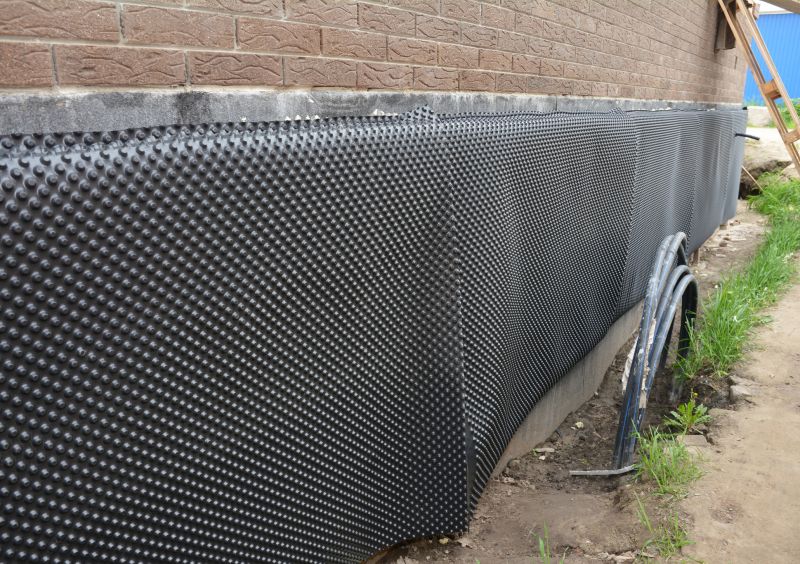 Waterproofing products are essential for protecting structures from water intrusion, helping to prevent damage caused by moisture, leaks, and seepage. These products are used in a variety of applications, including basements, roofs, foundations, and walls, to create a barrier that keeps water out and maintains the integrity of the building. Choosing the right waterproofing solution depends on factors such as the type of surface, exposure conditions, and the specific needs of the project.
Top Overall Option
Flexible Liquid Waterproofing Membrane
A versatile liquid membrane that offers seamless, flexible, and durable waterproofing for various surfaces. It is suitable for roofs, foundations, and balconies, providing an adaptable solution that can accommodate structural movements while maintaining water tightness.
Types of Products For Waterproofings
Liquid Rubber Coatings
Elastomeric coatings that form seamless, flexible layers over surfaces, ideal for roofs and decks.
Bituminous Membranes
Self-adhesive or torch-applied sheets used primarily for roofing and foundation waterproofing.
Polyurethane Sealants
High-performance sealants suitable for cracks, joints, and penetrations in various structures.
Cementitious Waterproof Coatings
Waterproof cement-based coatings designed for underground structures and basements.
Bitumen Coatings
Flexible protective coatings often used for tanks, pipes, and foundations.
Spray-On Waterproofing
Spray-applied membranes that create a continuous waterproof layer over large surfaces.
Sheet Membranes
Pre-fabricated sheets that provide durable waterproofing for roofs and foundations.
Crack Fill Sealants
Specialized sealants designed to fill and seal cracks in concrete and masonry surfaces.
Hydrophobic Paints
Coatings that repel water and are used on walls and exterior surfaces.
Polymer Modified Bitumen
Enhanced bitumen products with added polymers for increased flexibility and adhesion.
Liquid Membranes
Fluid-applied coatings that cure to form a seamless waterproof barrier.
Waterproofing Tapes
Self-adhesive tapes used to seal joints, seams, and cracks quickly and effectively.
Flexible Waterproofing Sheets
Thin, flexible sheets suitable for curved or irregular surfaces.
Polyurethane Foam
Expanding foam used for sealing gaps and joints in waterproofing applications.
Epoxy Sealants
Strong, durable sealants used for structural waterproofing and crack repair.
Popular Choices
Widely used for roof and surface waterproofing due to their flexibility and seamless application.
Commonly selected for foundation and roofing projects for their durability.
Popular for sealing joints and cracks in various building applications.
Favored for underground and basement waterproofing projects.
Chosen for large surface areas requiring uniform waterproof layers.
Preferred for flat roofs and foundation waterproofing due to ease of installation.
Essential for maintaining the integrity of concrete surfaces against water intrusion.
Valuable for quick fixes and sealing joints in various structures.
Popular for exterior walls to prevent water absorption.
Often used in roofing applications for enhanced flexibility.
Chosen for their seamless coverage and adaptability.
Commonly used in waterproofing tanks and pipes.
Ideal for curved surfaces and complex geometries.
Selected for structural crack repairs and sealing.
Used for sealing gaps and expansion joints effectively.
Applied to exterior surfaces to repel water and prevent damage.
Different waterproofing products are designed to address distinct challenges. For instance, liquid membranes can be applied seamlessly over irregular surfaces, providing continuous protection without joints or seams. Sheet membranes, on the other hand, are prefabricated and often used for large flat surfaces, offering durability and ease of installation. Sealants and coatings are versatile options suitable for cracks, joints, and surface finishing, ensuring a tight seal against water penetration.
Proper application and selection of waterproofing materials can extend the lifespan of a structure and reduce maintenance costs over time. It is important to consider factors such as surface compatibility, weather resistance, and ease of use when selecting a product. Consulting with professionals or referring to manufacturer guidelines can help ensure optimal results. Whether for new construction or renovation projects, waterproofing products play a vital role in maintaining the safety and durability of buildings in Manchester, TN, and beyond.
Investing in quality waterproofing solutions can provide peace of mind, especially in areas prone to heavy rainfall or high humidity. Regular inspections and timely maintenance are also recommended to sustain the effectiveness of waterproofing systems. By choosing the appropriate products and applying them correctly, property owners can better safeguard their investments against water-related damage.
Key Buying Considerations
- Type of surface to be waterproofed (concrete, wood, metal, etc.)
- Exposure conditions such as weather, foot traffic, or chemical exposure
- Flexibility requirements to accommodate structural movement
- Ease of application and drying time
- Compatibility with existing materials or coatings
- Durability and lifespan of the waterproofing product
- Waterproofing thickness and coverage area
- Resistance to UV rays and temperature fluctuations
- Ability to adhere to irregular or complex surfaces
- Cost-effectiveness and budget constraints
- Application method (brush, roller, spray, torch, etc.)
- Environmental conditions during application (humidity, temperature)
- Maintenance requirements post-application
- Compliance with local building codes and standards
- Availability of professional installation support